
Circadian Nutrition Meal Timing: Intermittent Fasting for Health
Do you ever wonder if the time you eat matters for your health as much as what you eat? But as our understanding of health and wellness evolves, we're learning it's not just what you eat that matters - it's when you eat it.
Have you heard of new buzzwords like "circadian nutrition" and wondered what the hype is about? You're not alone - many people have questions around how meal timing impacts our wellbeing.
(A fascinating new area of research called chrono-nutrition looks at how our circadian rhythms interact with the food we eat to impact our health.)
Let's explore some common questions and misconceptions that have people talking about eating in sync with circadian rhythms:
Does Meal Timing Really Matter for Health? (Bhojana kala)
Many people think that as long as they are eating healthy foods, the timing doesn’t matter. But our bodies are optimised to digest and metabolise food better at certain times of day. Eating out of sync with circadian rhythms can negatively impact blood sugar regulation, weight management, and more. Time-restricted feeding studies show limiting eating to a consistent daily window in alignment with your body's rhythms offers health benefits.
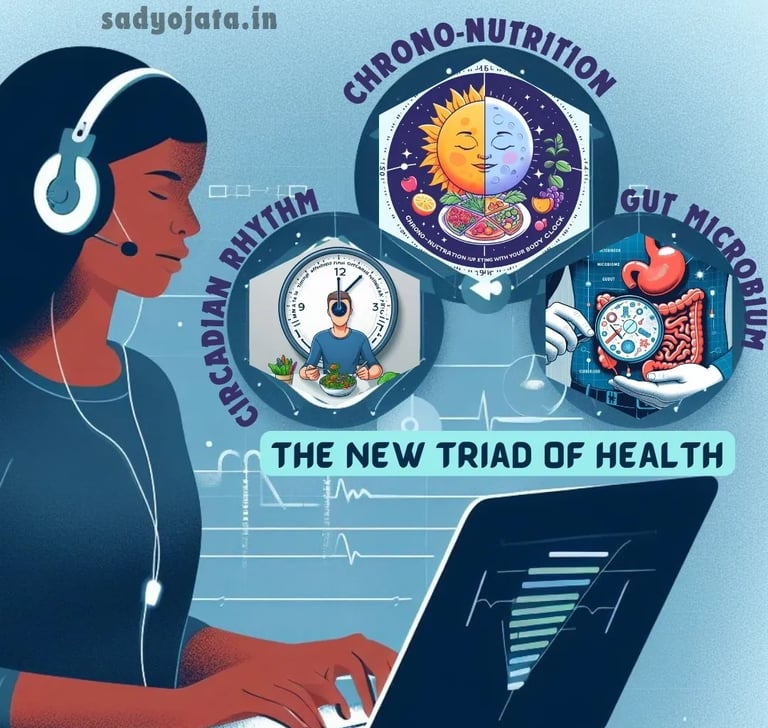
“The New Triad of Health: Circadian Rhythm, Chrono-nutrition, and Gut Microbiome”
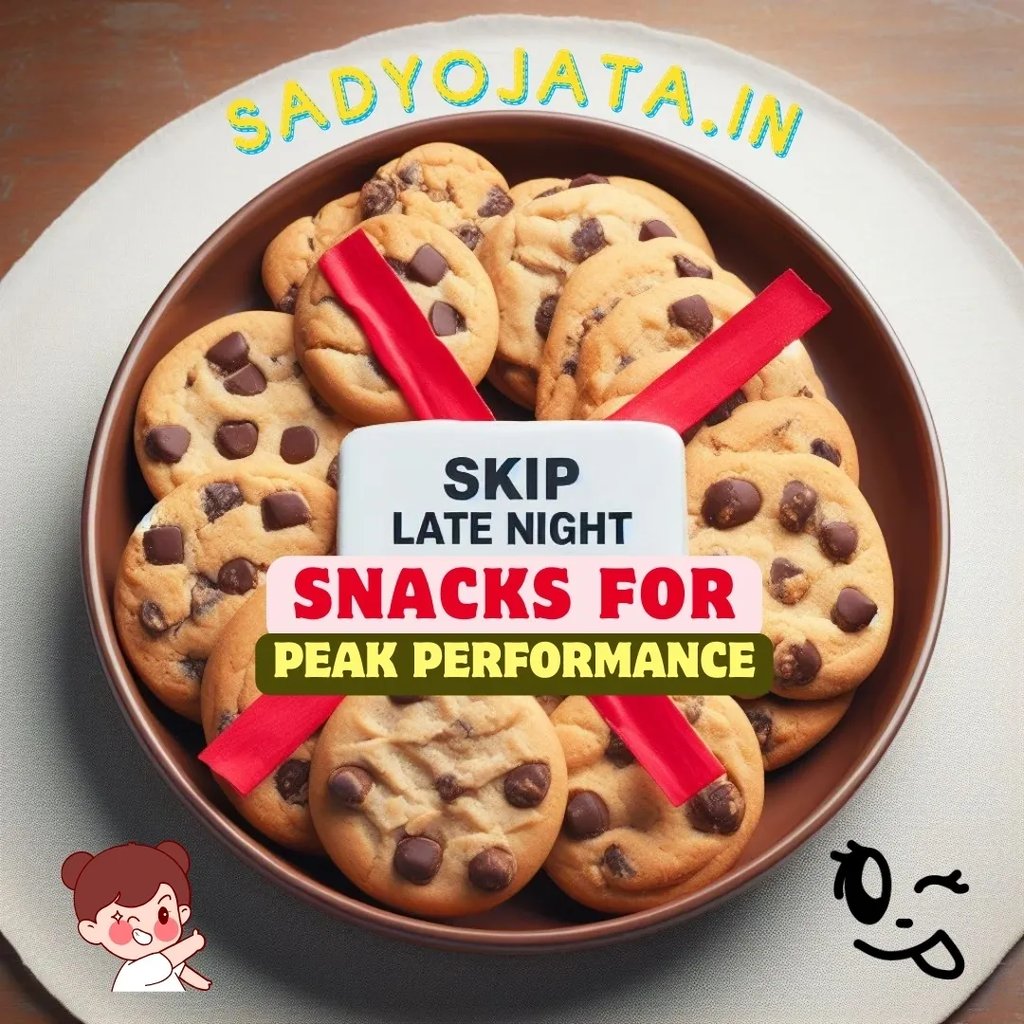
Should I Really Skip Late Night Snacks?
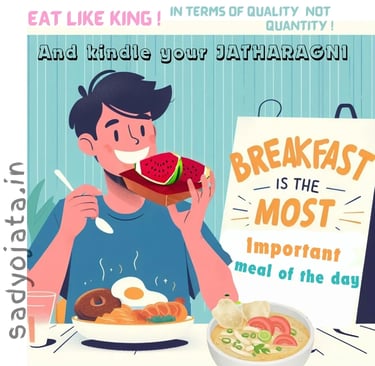
You've probably heard that breakfast is the most important meal of the day. But does meal timing really make a difference? Research shows eating earlier in the day aligns with our circadian clocks and metabolism. Skipping breakfast or eating later can throw off your rhythms and blood sugar regulation. (Eat more in terms of quality)
What is Chrono-nutrition?
This new field looks at optimal meal timing based on our circadian cycles. Research shows front-loading calories and carbs earlier in the day improves glycemic control and weight management. (Tikshnagni kala) Having a bigger breakfast and lighter dinner helps synchronise your peripheral clocks. Chrono-nutrition ties when you eat to health impacts.
What is Circadian Rhythm and Why Does It Matter?
We have internal clocks that control sleep/wake cycles, hormone production, digestion, and more. Circadian rhythms help synchronize our bodily processes. Disrupting circadian rhythms through shift work, poor sleep, etc. is tied to higher disease risk. Optimizing circadian alignment offers health benefits.

How Does Meal Timing Affect My Circadian Rhythms?
Because digestive rhythms are linked to your circadian clock, meal timing provides important cues. Eating within a consistent earlier window sustains rhythms. Late night or irregular eating can misalign your clock and metabolism (Vishamashana). Time-restricted feeding builds healthier circadian cycles.
How are the Gut Microbiome and Circadian Rhythm Connected?
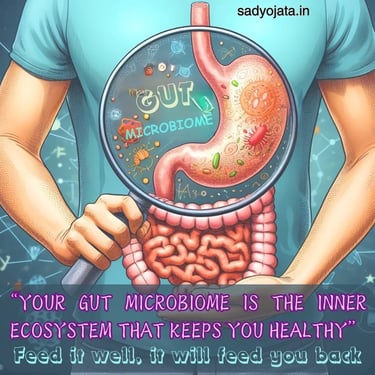
The trillions of microbes in your gut (Koshta) follow daily rhythms and are affected by your circadian cycles. Disrupting your circadian clock can alter the composition of your gut microbiome. At the same time, an unhealthy gut environment aggravates circadian disruption. Supporting healthy microbial diversity through diet, stress management, sleep, etc. is tied to circadian regulation.
How Does Meal Timing Affect My Circadian Rhythms?
Because digestive rhythms are linked to your circadian clock, meal timing provides important cues. Eating within a consistent earlier window sustains rhythms. Late night or irregular eating can misalign your clock and metabolism (Vishamashana). Time-restricted feeding builds healthier circadian cycles.
How are the Gut Microbiome and Circadian Rhythm Connected?
The trillions of microbes in your gut (Koshta) follow daily rhythms and are affected by your circadian cycles. Disrupting your circadian clock can alter the composition of your gut microbiome. At the same time, an unhealthy gut environment aggravates circadian disruption. Supporting healthy microbial diversity through diet, stress management, sleep, etc. is tied to circadian regulation.
When Should I Stop Eating at Night?
Many people snack late into the evening. But does late night eating disrupt your body's rhythms? Research suggests having a cut-off time for food a few hours before bed supports metabolic health. Learn what the science says about optimal night-time fasting.
What About My After Dinner Dessert?
Nothing beats indulging in something sweet after dinner - or does it? (Madhura ahara) We'll explore how late desserts and snacks may interfere with circadian processes. Get tips for satisfying your sweet tooth without hindering your biological clocks (Agni).
Is Intermittent Fasting Good for Your Circadian Rhythm?
Intermittent fasting is a popular diet trend. But could it also provide circadian benefits? (2 annakala) We'll break down the science on how intermittent fasting schedules may support health by aligning eating with your body's natural rhythms.
Do I Have to Wake Up Early to "Eat Right?"
Many circadian eating plans favor early timed meals. But what if you're not a morning person? We'll look at how to optimize your meal schedule for circadian alignment without forcing yourself out of bed before sunrise. (Bramhi muhurta)
Which Foods Should I Eat at Breakfast vs Dinner?
It's not just when you eat - it's also what foods are optimal at different times of day (Dinacharya). Learn how to structure your meals and choose foods that cooperate with your circadian biology throughout the day.
By better understanding the connections between biological rhythms, meal timing, and the gut microbiome, we can optimize this new triad of health. Shift your focus to not just what you eat, but when you eat for whole-body wellness.
As we continue to explore the fascinating world of Ayurveda, we'll delve deeper into the practical aspects of incorporating these principles into our daily lives and understanding the role of individual "chronotypes" in our overall health.
The biology around circadian nutrition is fascinating and complex. Join me as I break down the research in this blog series. Next we’ll dig into how time-restricted feeding can enhance your health by optimizing meal timing. Get ready to sync your diet with your circadian clock!
Stay tuned for more insights and guidance on your Ayurvedic journey.
Happy Reading