
Invasive Plants in India: A Growing Ecological Concern
During the 2023 Karnataka elections, I came across a forwarded photo on WhatsApp where there were different National parties depicted as Lotus vs Parthenium (native Indian plant vs non native Indian plant). As an Ayurveda practitioner, I found a funny connection between these images and the knowledge about accurately identifying plant species or their botanical sources, which I gained from Ayurveda texts, as well as my mentor, Dr. Ganesh Babu (Doctorate in Forest Botany).
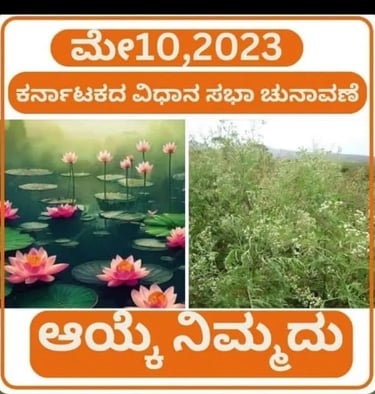

It's worth noting that Ayurveda emphasizes the use of native plants for their medicinal properties, prioritizing them over invasive species, as they are considered more beneficial for various health purposes.
Invasive plants:
Non-native species that have the ability to spread aggressively and negatively impact the local ecosystem by displacing native plant species, a growing ecological concern in India. Ayurveda emphasizes the importance of maintaining the balance of nature and preserving the environment, so invasive plants are generally not included in Ayurvedic practices.
India is home to a variety of invasive plant species that have been introduced from other regions and now pose a threat to the country's native ecosystems. These invasive plants can aggressively spread and outcompete native vegetation, leading to a decline in biodiversity and ecological imbalances.
Here are six notable invasive plant species in India:
1. Lantana (Lantana camara):
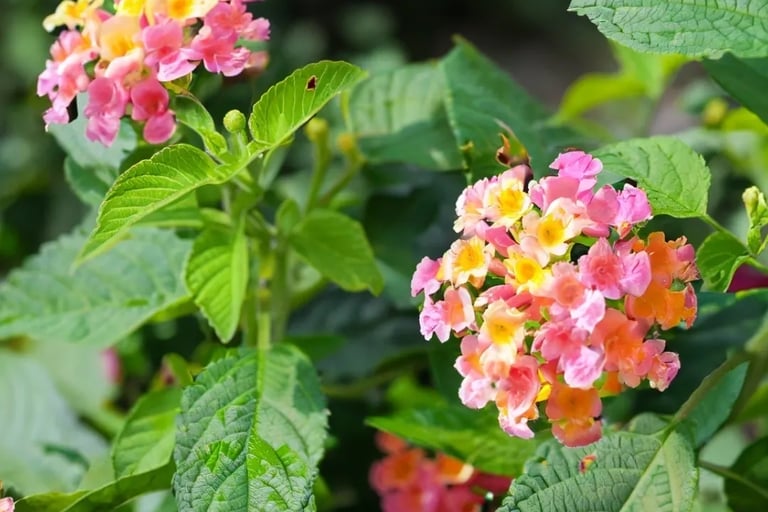
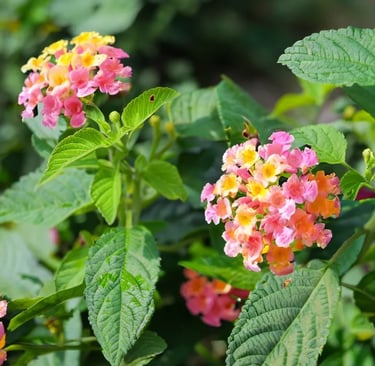
One of the most invasive of plants that has taken over the country’s forests, driving wild animals out for foraging. In the Bandipur National Park, an estimated 60% is affected by Lantana, which hinders the growth of native vegetation that herbivores such as deer and elephants feed on. Further, its fruit is toxic to animals.
2. Water hyacinth (Eichhornia crassipes):
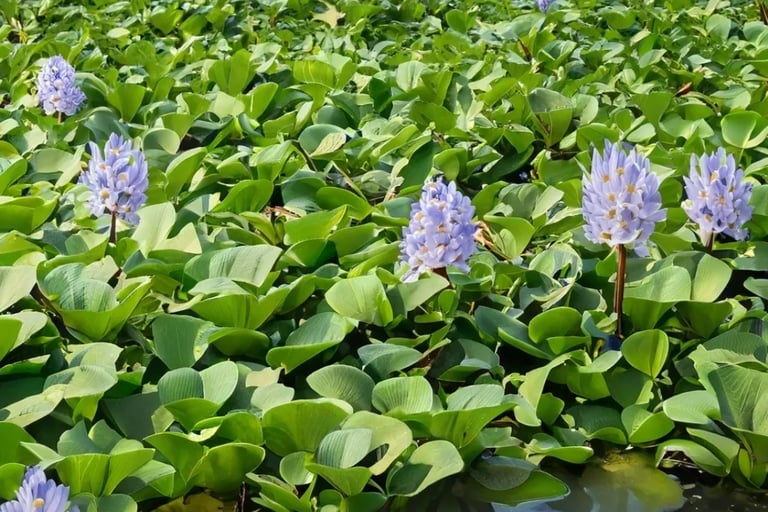
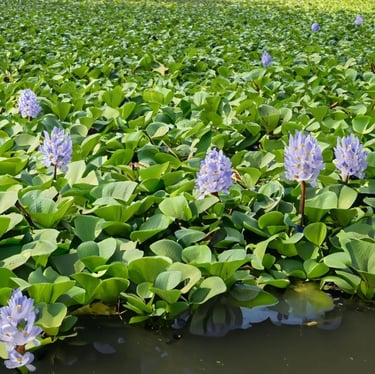
Water hyacinth is a floating aquatic plant that grows rapidly and covers water bodies, hindering the movement of boats and affecting aquatic ecosystems by blocking sunlight and reducing oxygen levels. This is not an indigenous species but was introduced to India during the British colonial rule as an ornamental aquatic plant from South America. Water hyacinth is one of the most noxious weeds that has affected agriculture, fishing and livelihoods across the Kerala.
3. Parthenium (Parthenium hysterophorus):
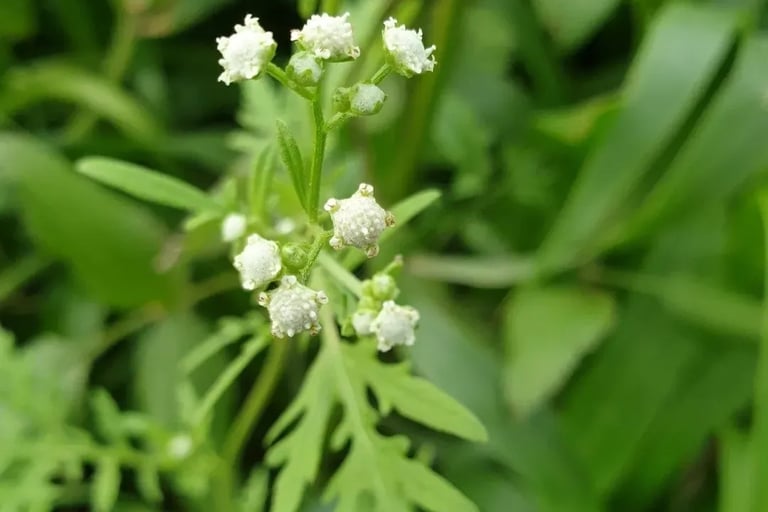
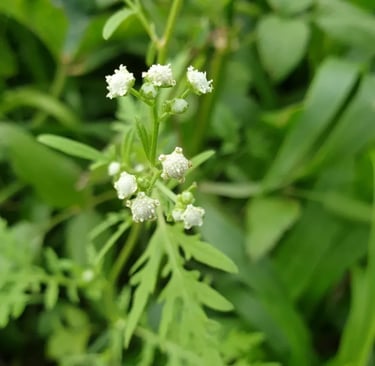
Also known as "Congress grass" or "gajar ghas," parthenium is a noxious weed that is harmful to both humans and animals. It causes allergic reactions in people and can reduce agricultural productivity by competing with crops for resources. This alien weed is believed to have been introduced into India as contaminants in PL 480 wheat imported from the USA in the 1950s. Approximately two million hectares of land in India was infested with this herbaceous menace as per Dwivedi et al. 2009.
4. Prosopis juliflora:
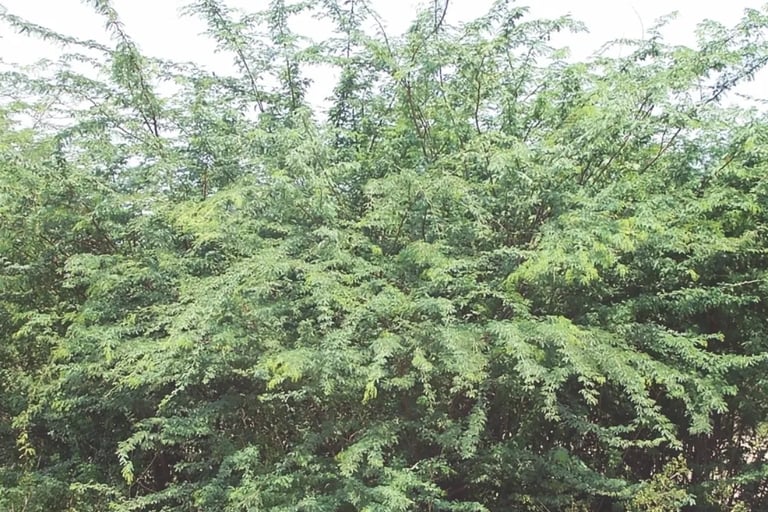
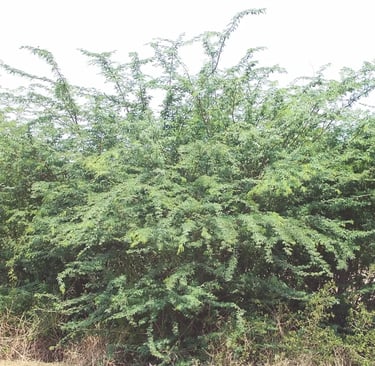
Also called "vilayati kikar" or "mesquite," Prosopis juliflora is a thorny shrub or tree that was introduced by the British in 1877. However, it has spread aggressively, especially in arid and semi-arid regions, displacing native plants and affecting local ecosystems.
5. Chromolaena odorata:
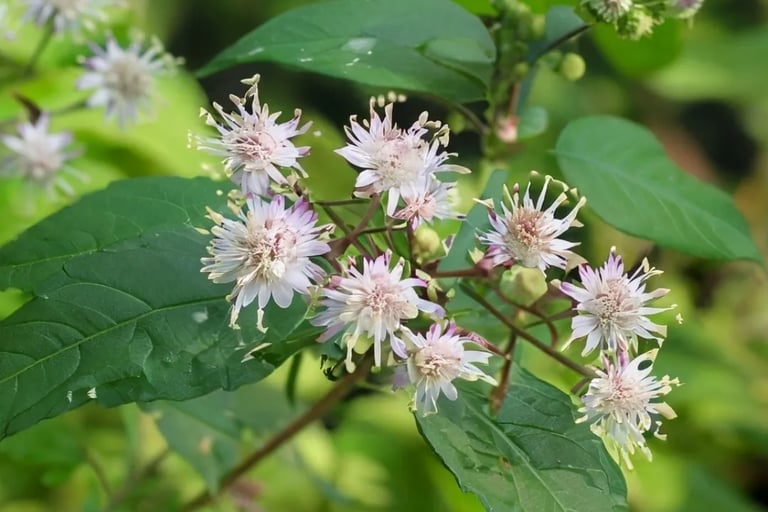
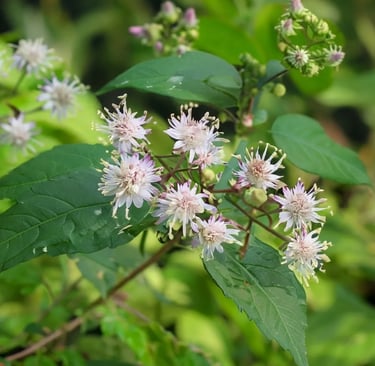
Commonly known as "Siam weed" or "devil weed," is emerging as a serious threat to natural and agricultural landscapes in India. It is among the Top 100 invasive species worldwide and causes significant threats to biodiversity, human well-being, and livelihoods by displacing native plants. It is a fast-growing shrub that forms dense thickets and inhibits the growth of other plants. It negatively impacts agriculture, forestry, and natural habitats.
6. Mikania micrantha:
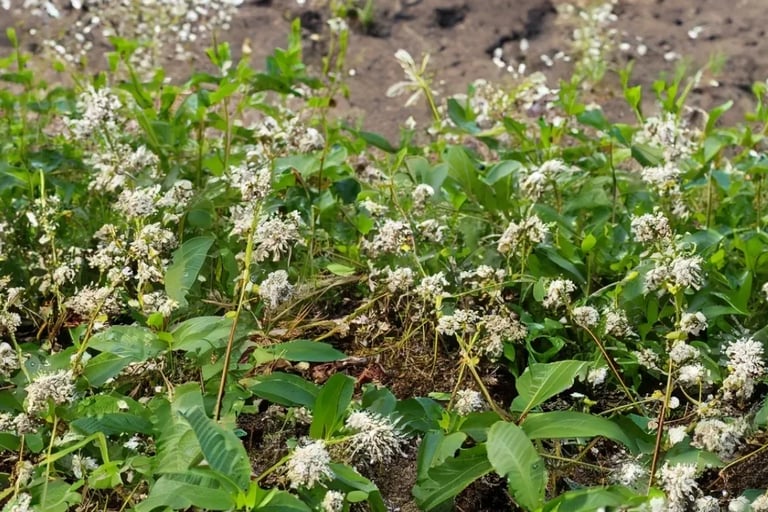
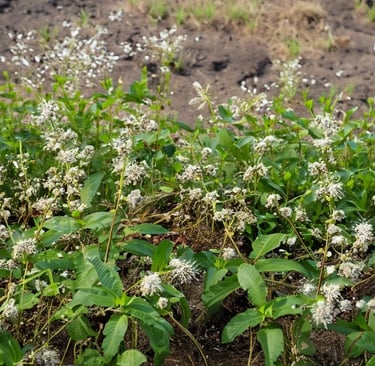
Mikania micrantha, also known as "mile-a-minute weed" or "American rope," is a climbing vine that smothers and suppresses native vegetation. It is particularly problematic in the north-eastern states of India. It is a major threat to biological diversity in India. It causes enormous damage over a broad range of sectors. The most severely affected crops in India include coconut, coffee, cocoa, banana.
Instead, Ayurveda promotes the use of native medicinal plants that have been used for centuries in traditional healing practices.
Some well-known examples for Native Indian plants include:
1. Tulsi (Ocimum tenuiflorum):
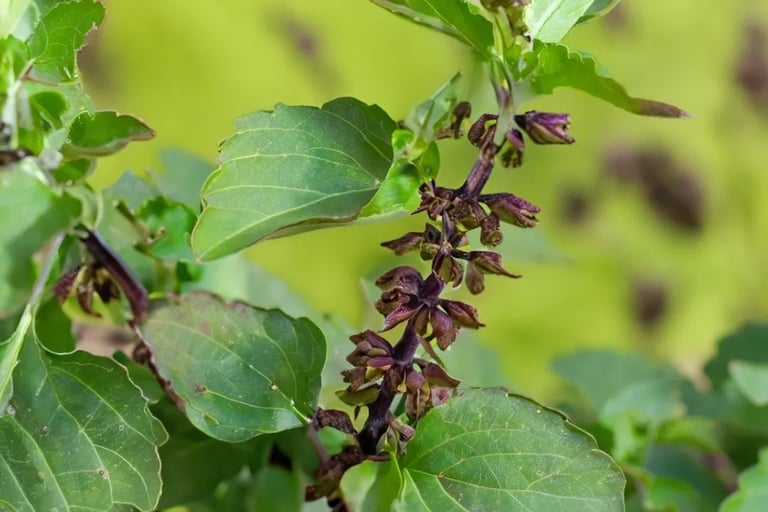
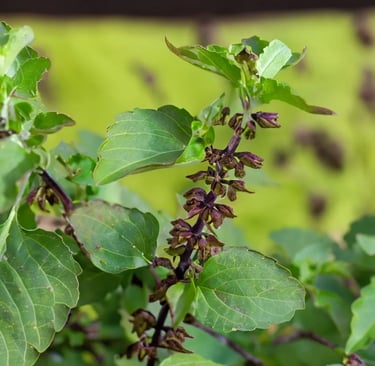
Also known as holy basil, it is highly revered in Ayurveda for its medicinal properties, such as its antioxidant and immune-boosting effects.
2. Ashwagandha (Withania somnifera):
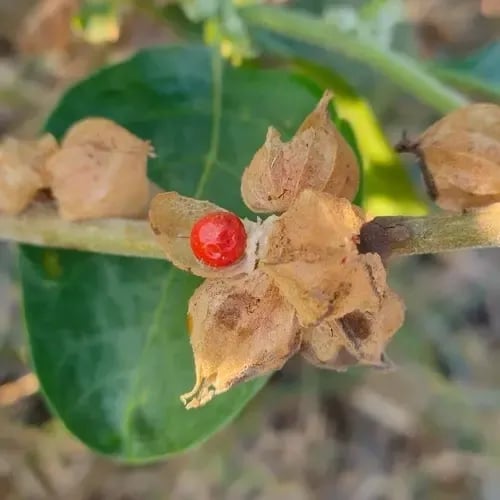
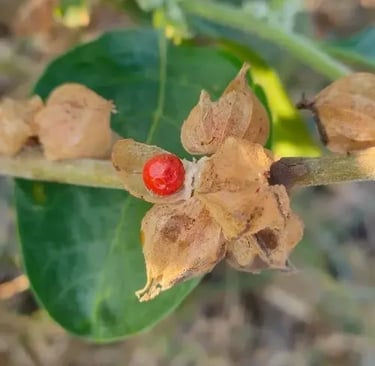
This herb is considered an adaptogen, helping the body cope with stress. It is used for various purposes, including improving energy, reducing anxiety, and supporting overall well-being.
3. Triphala:
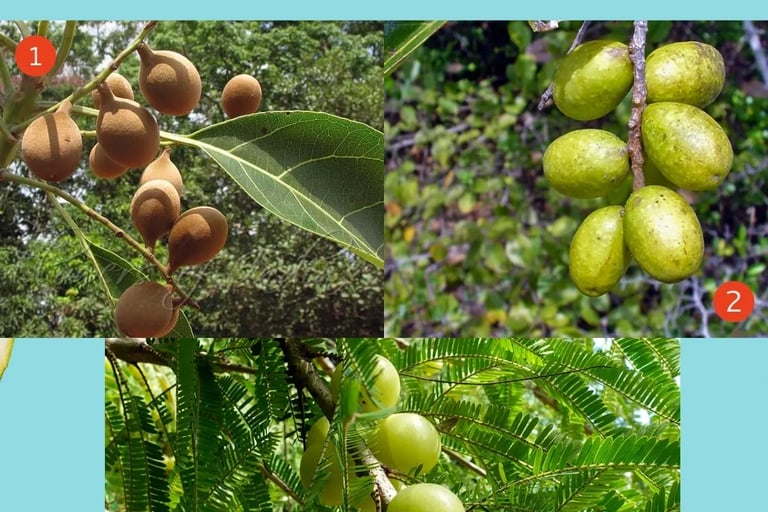
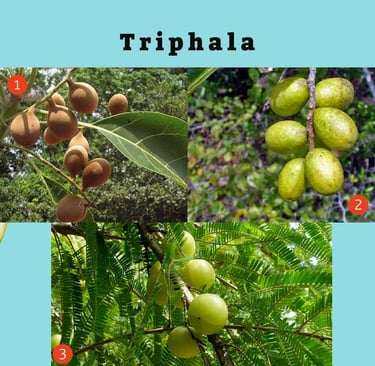
It is a combination of three fruits - Amalaki (Phyllanthus emblica), Bibhitaki (Terminalia bellirica), and Haritaki (Terminalia chebula). Triphala is commonly used as a digestive tonic and for detoxification.
4. Neem (Azadirachta indica):
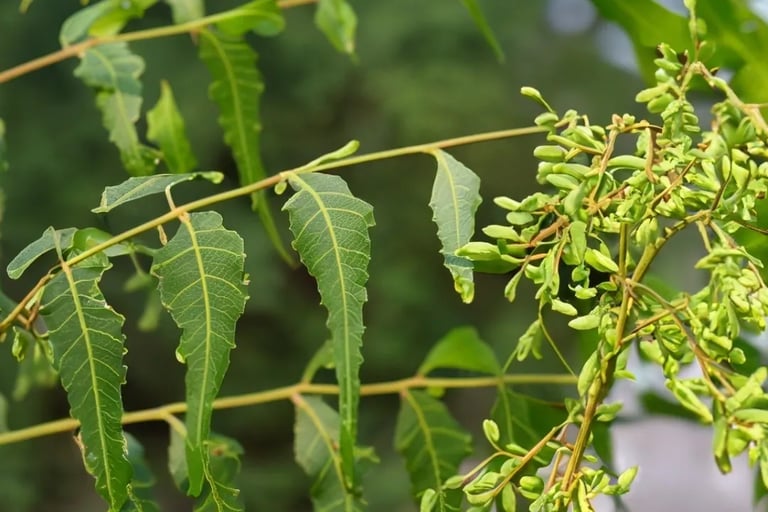
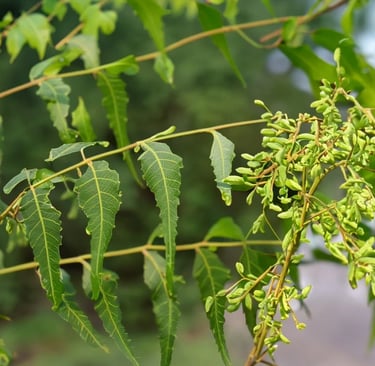
Neem is a versatile herb used in Ayurveda for its antifungal, antibacterial, and antiviral properties. It is often utilized in skin care products and oral hygiene preparations.
These are just a few examples, but Ayurveda encompasses a vast range of herbs and plants, each with its own specific properties and uses. It's important to consult with a qualified Ayurvedic practitioner before using any herbs or plants for medicinal purposes to ensure their safety and appropriate use.
Just like how efforts are being made by the Indian government, environmental organizations, and local communities to control and manage these invasive plants. We should also think more about native and let go off the western culture and adopt ayurveda in day-to-day life and promote more cultivation of native plant species to restore and protect India's ecosystems.
Happy Reading
Dr Sripritha R BAMS, MD.
The conservation status of Indian Medicinal Plants:
Presently, It is estimated based on global rates of plant species threatened with extinction that around 1000 medicinal plant species may be under threat in different eco-systems across India.
Around round 90 percent of medicinal plants used are collected from the wild. Out of this, more than 70 percent of the collections involve destructive harvesting from the wild, because of the use of parts like roots, bark, wood, stem and also the whole plant in some cases.
Interested in Exploring the rich diversity of Medicinal Plants of India?
Here are few notable ones:
1. ENVIS FRLHT: As an initiative of ENVIS India in 2002, Foundation for Revitalisation of Local Health Traditions (FRLHT), Bangalore was designated as ENVIS Centre on Medicinal Plants. FRLHT work towards "revitalising Indian medicinal heritage" through creative applications of traditional health sciences for enhancing the quality of health care in rural and urban India and globally.
2. IMPPAT: Phytochemical atlas of Indian medicinal plants that is accessible here, contains manually curated information on 4010 Indian medicinal plants, 17,967 phytochemicals, and 1095 therapeutic uses.